
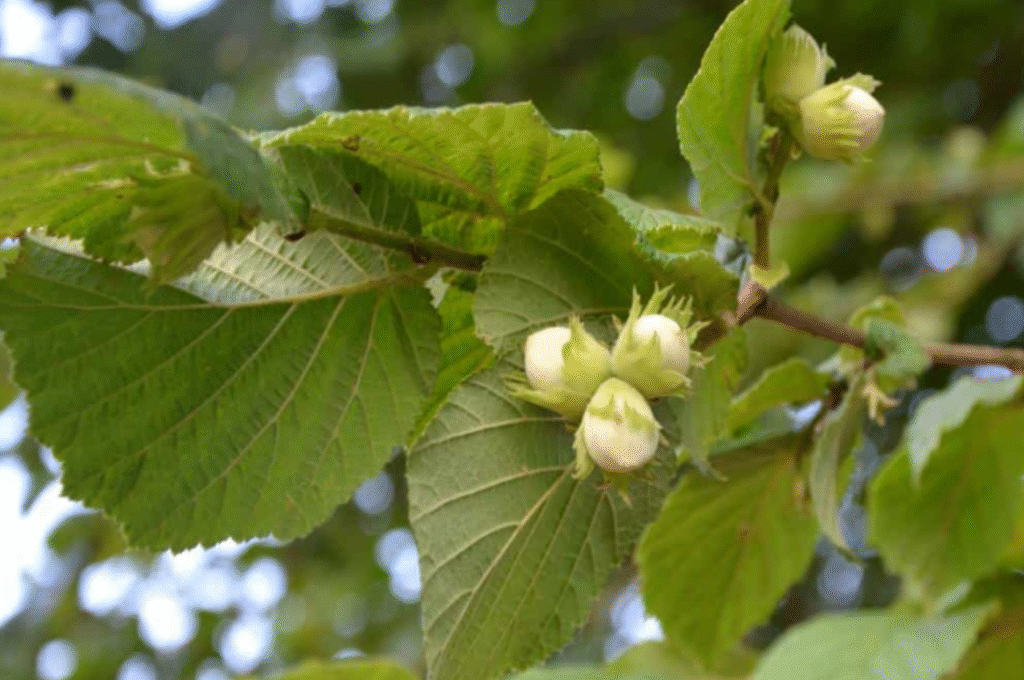
Scientific Name: Corylus avellana
We’ve all seen hazel, whether you noticed it or not. This small native tree is not only a common sight in ancient woodlands, hedgerows and scrubland, it’s also become a popular tree that developers and urban planners plant to provide fast-growing woody cover. And, well, you’ve heard of hazelnuts.
How to Identify Hazel
Hazel is often in hedgerows but it can grow to a mid-size tree and is often found in the understorey in English woodland. It is fast-growing and is often found in traditional coppice plantations.
Bark: Smooth, grey-brown bark
Leaves: heart-shaped with toothed edges, slightly rough. The leaves turn yellow in autumn.
Size: Mid-size, often a lot of branches from ground-level, particularly when coppiced.
Fruits: late winter it develops drooping yellow catkins (male) which release pollen. In autumn we reap the harvest of its edible nuts that are encased in leafy bracts.
Species Hazel Supports
Catkins: emerging in winter the catkins are still present in Spring and provide an early source of pollen for bees.
Nuts: always a valuable food source for mammals such as squirrels, dormice, mice and birds. The nuts are also harvested by humans. The hazel needs to be at least 7 years old before it starts bearing fruit. This is important to note when coppicing and providing stored coppice as food and shelter for mammals.
Shelter: Hazels provide dense foliage and nesting sites for many species, notably for the protected Hazel Dormouse who love its nuts, use its branches for arborial travel and hibernate through winter in nests which are often hidden at the bottom of coppiced hazel stools.
Fun Facts About Hazel
Hazelnuts can be eaten raw or roasted and hazelnut oil can be used for cooking
Hazel is associated with wisdom and divination in Celtic mythology. Hazel rods were used (and are still) for water divining.
The nuts were an important food source for early humans, and evidence of their consumption has been found at Mesolithic archaeological sites.
Hazel was used in folk remedies for coughs, and other ailments.
Coppiced hazel creates flexible branches used in wattle and daub building and continue to be used for fencing, hedgelaying, hurdles and baskets.
Rhododendron: The Woodland Strangler that Needs to Go
Rhododendron Ponticum: The Woodland Strangler that Needs to Go There are many things to thank…
Himalayan Balsam in Woodland: What It Is & Why You Need to Remove It
Himalayan Balsam in Woodland: What It Is & Why You Need to Remove It If…

The Understorey Bulletin: October 2025
Your Understorey Bulletin: October 2025 Hello there! Here’s your nature news. Pull up a chair…
Why Every Woodland Owner Should Have a Management Plan
You’ve just become the proud owner of a patch of woodland, or perhaps you’ve had…
New Gateway Opens at The Ashdown Forest Centre
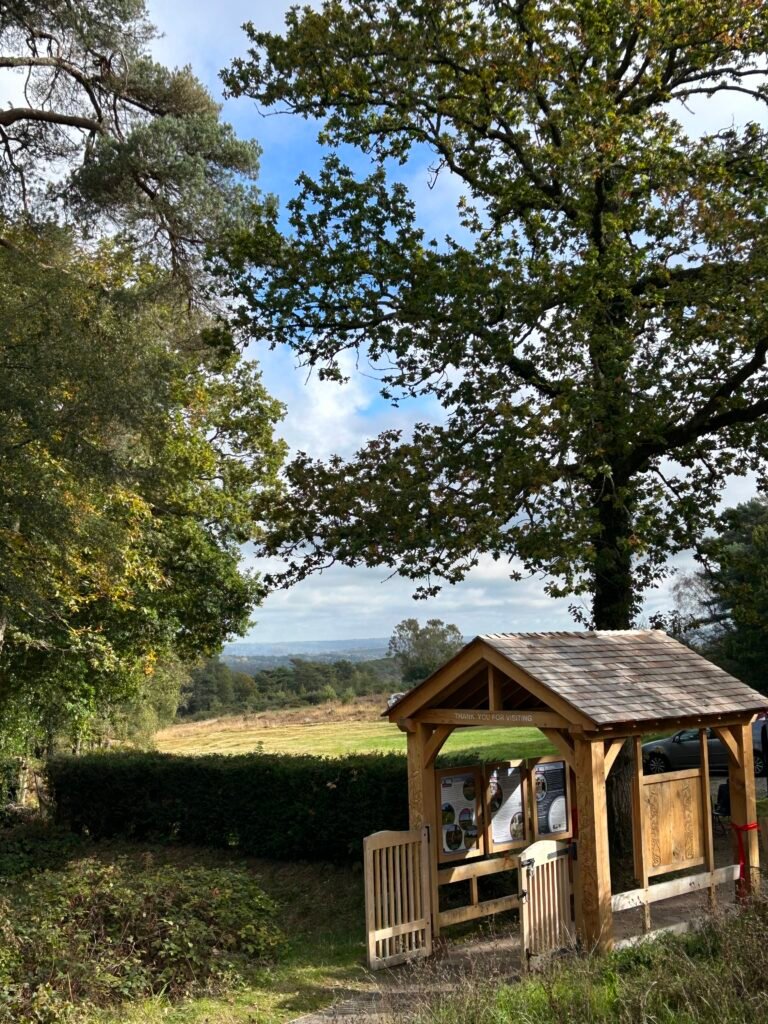
As a Trustee of the Ashdown Forest Foundation, I was delighted to attend the grand…
Hazel: Your Nutty Native Woodland Treasure
Scientific Name: Corylus avellana We’ve all seen hazel, whether you noticed it or not. This small…