
Scientific Name: Prunus spinosa
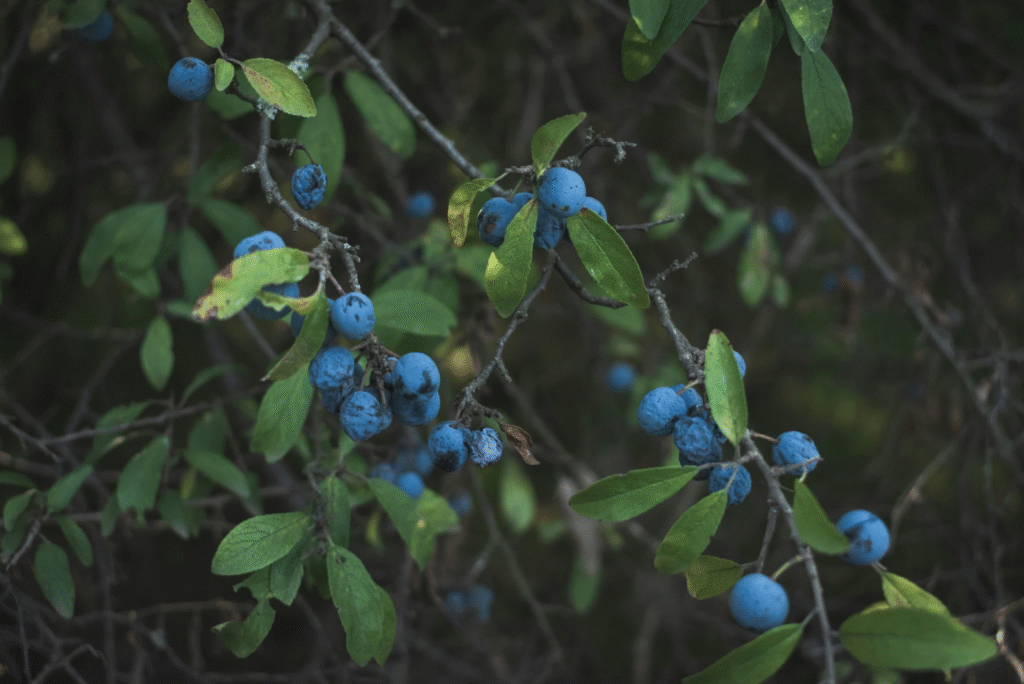
Blackthorn is a common sight in the countryside in hedgerows or as dense thickets on scrubland or on woodland edges. Most famous for its dark berries, or sloes, used every year for sloe gin, blackthorn is a staple of UK hedgerows, particularly in the South East where it is part of the traditional hedge mix. For hedges, it provides a dense boundary that deters livestock due to its sharp thorns. As a species, it is a prolific grower and if left unchecked, its suckers will colonise into field boundaries fast.
Blackthorn’s benefits for wildlife
Blackthorn has a wealth of benefits for wildlife. It flowers early before the leaves appear making it an important early food source for pollinators.
Insects – it provides food and shelter for over 100 insect species including the black hairstreak butterfly whose larvae feed exclusively on its leaves. See if you can spot tiny, white pyramid shaped eggs on its leaves higher up the plant.
Birds – Blackthorn is abundant with berries (or sloes) which are loved by thrushes and blackcaps.
Mammals – small mammals love the berries too but they also use the thick, dense and spiny branches as refuge and protective wildlife corridors to move around the land out of sight of predators such as birds of prey.
Humans – well we love the privacy of dense hedges and the abundance of sloes that we make into a tasty gin! It also provides a stunning show of blossom early in Spring.
How to Spot Blackthorn
Blackthorn is native to the UK but also found throughout Europe, western Asia, and northwest Africa. Spot it in hedgerows, scrubland, and woodland edges. It prefers well-drained soils but there are lots of examples all over Sussex and its dense, wet clay soils.
- Size – usually hedgerow-sized due to hedgecutting but you can often spot
it in unmanaged hedgerows growing into a substantial tree. - Bark – over winter you’re dependent on the bark and characteristics of teh leafless tree. Look for dark, smooth, thorny branches.
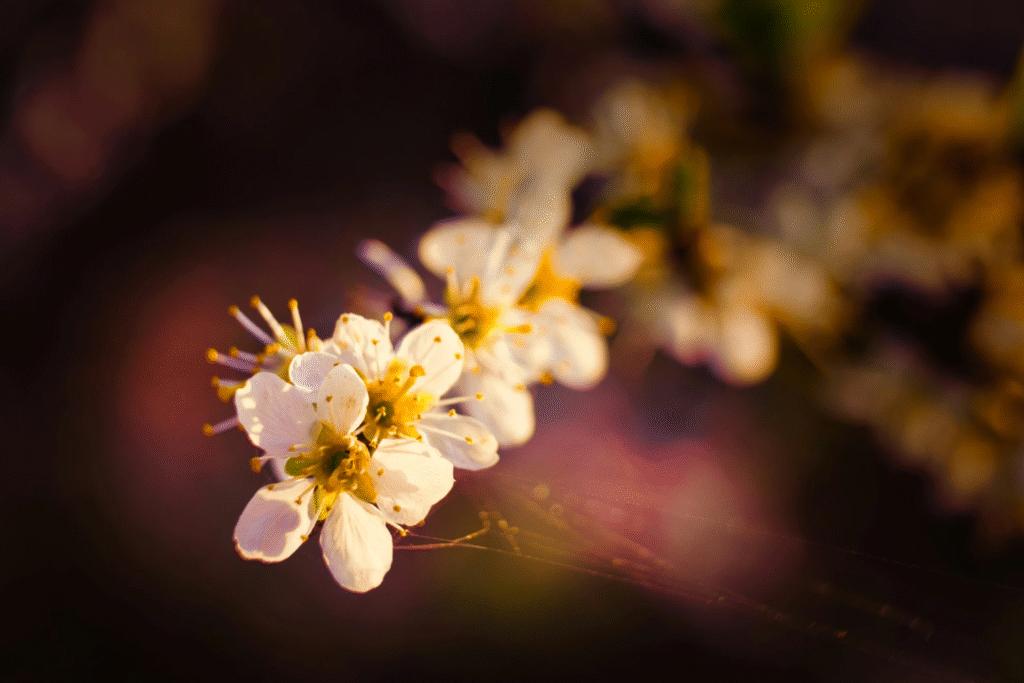
- Flowers – blossoms appear in early spring from March. Pretty, white five-petaled flowers in dense, fragrant clusters.
- Fruits – traditionally called ‘sloes’, start to appear in summer and ripen in autumn as small bluish-black drupes.

Nature News Bulletin: October 2025
Your Nature News Bulletin: October 2025 Hello there! Pull up a chair whilst we catch…
Why Every Woodland Owner Should Have a Management Plan
You’ve just become the proud owner of a patch of woodland, or perhaps you’ve had…
New Gateway Opens at The Ashdown Forest Centre
As a Trustee of the Ashdown Forest Foundation, I was delighted to attend the grand…
Hazel: Your Nutty Native Woodland Treasure
Scientific Name: Corylus avellana We’ve all seen hazel, whether you noticed it or not. This small…
Blackthorn: The Hedgerow’s Thorny Guardian
Scientific Name: Prunus spinosa Blackthorn is a common sight in the countryside in hedgerows or as…
The Wild Service Tree: Discover a Rare Beauty
The chequer berries famous for beer and Prime Minsterial houses… Scientific Name: Sorbus Torminalis Have you…