

Scientific Name: Sorbus Torminalis
Have you seen one? I challenge you to. A rare native tree in the UK, it was once common in the South East of England but over time, and perhaps with changing climates and human pressure, this beautiful tree has slowly retreated in the UK but is still found in southern and central Europe.
But Why is it Called the Wild Service Tree?
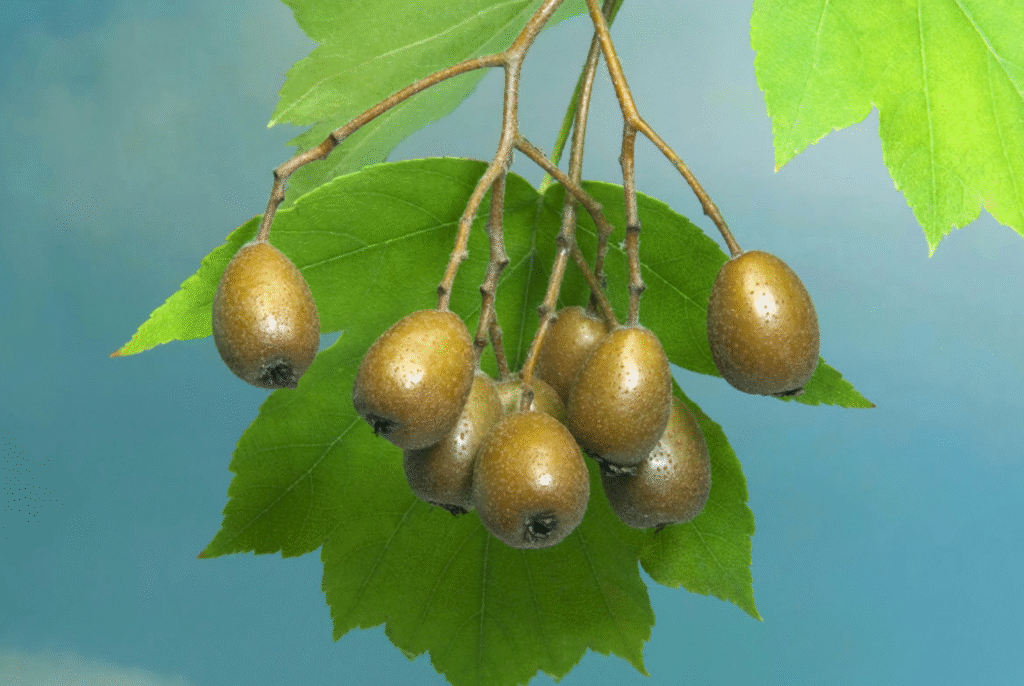
It’s rumoured that its common name is down to a British favourite: beer. It’s fruits that we call ‘chequers’ (we’ll come back to that in a minute) were an ingredient in beer in the middle ages. It’s believed the name comes from the Spanish word for beer ‘cerveza’. So the chequers…also seen on many a pub sign across the country, Chequers is the name of the UK Prime Minister’s country residence where there are Wild Service Trees.
Key Facts About the Wild Service Tree
It prefers ancient woodlands and hedgerows, often growing on calcareous soils but can also be tolerant of wetter soils.
Shape & Bark: rounded crown and dark, fissured bark.
Leaves: Maple-like but longer, narrower lobed edges. Leaves turn red and purple in the autumn.
Flowers: Clusters of white flowers in the spring, five petals
Fruits: Commonly called Chequers, they are small, brown and speckled drupes that ripen in autumn.
Species It Supports:
Like all plants, the wild service tree supports a range of wildlife, including insects that feed on its leaves and flowers. Its fruits are eaten by birds and small mammals.

The Wild Service Tree – Did You Know?
An Ancient Relic – The wild service tree is a relic of ancient woodlands, and its presence indicates long-established habitats and an ancient woodland indicator.
Fruits – as already discussed, they were a key ingredient in beer and were eaten raw or preserved. They are no longer eaten, but then, they are difficult to find!
Practical uses – traditionally the wood was used for gears in clocks as it was so hard.
21st Century uses – it’s now being planted for its ecological importance and aesthetic appeal.
-

Nature News Bulletin: October 2025
Your Nature News Bulletin: October 2025 Hello there! Pull up a chair whilst we catch…
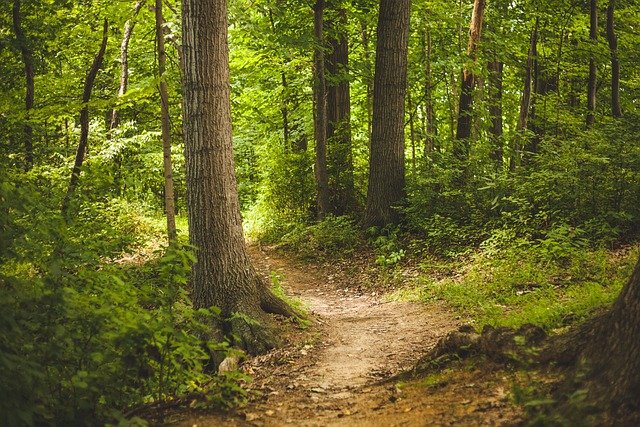
Why Every Woodland Owner Should Have a Management Plan
You’ve just become the proud owner of a patch of woodland, or perhaps you’ve had…
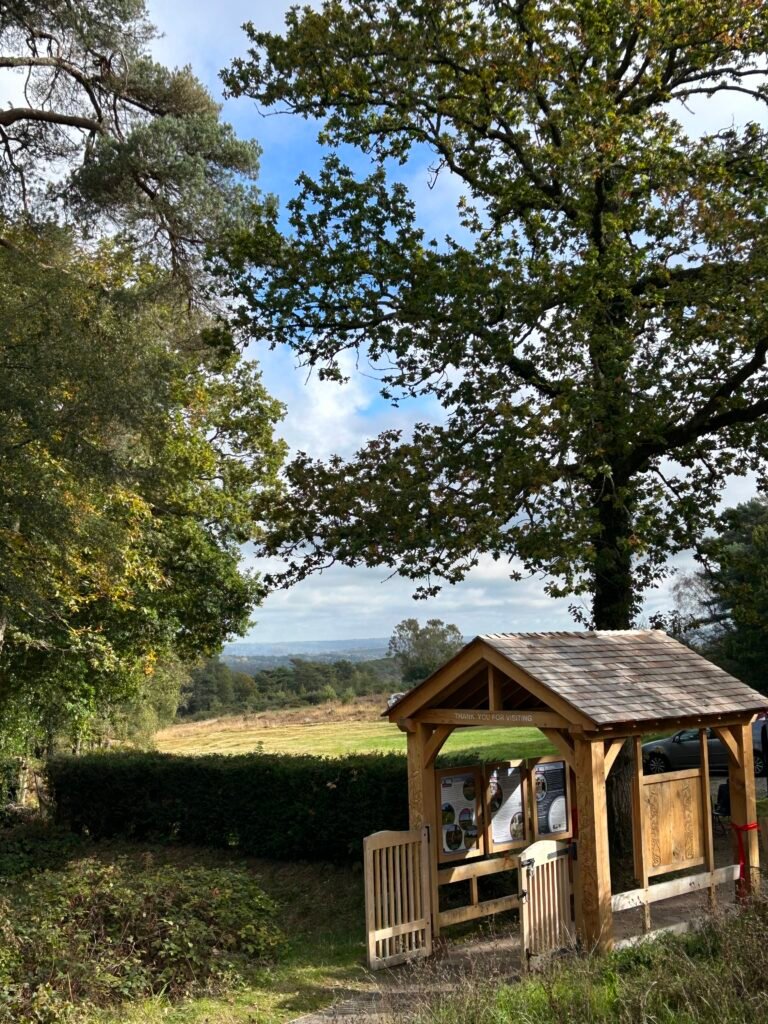
New Gateway Opens at The Ashdown Forest Centre
As a Trustee of the Ashdown Forest Foundation, I was delighted to attend the grand…
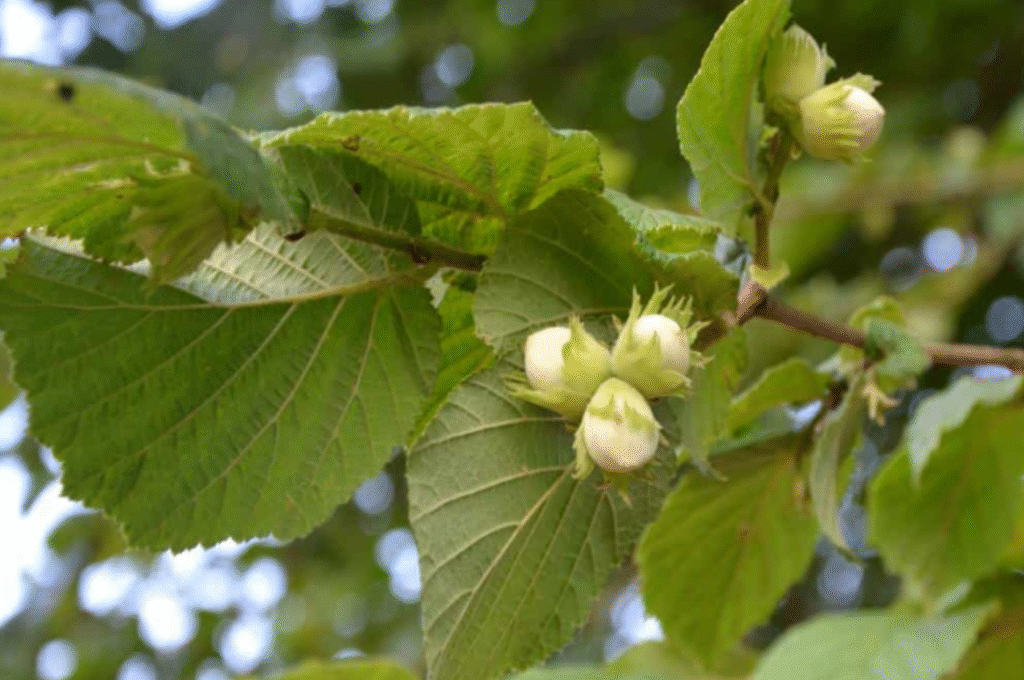
Hazel: Your Nutty Native Woodland Treasure
Scientific Name: Corylus avellana We’ve all seen hazel, whether you noticed it or not. This small…
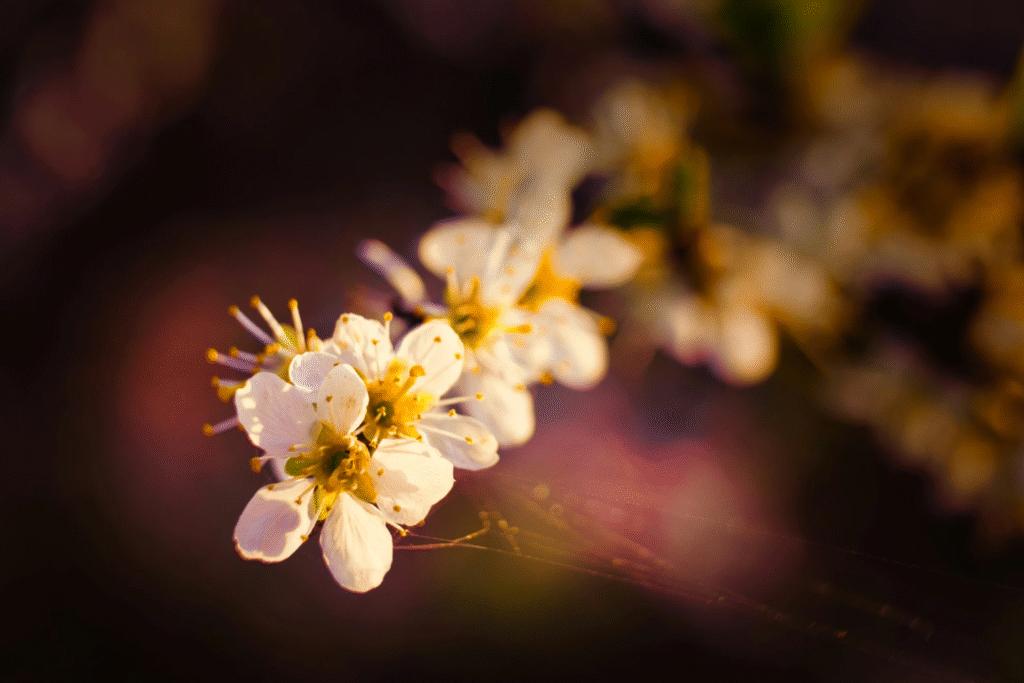
Blackthorn: The Hedgerow’s Thorny Guardian
Scientific Name: Prunus spinosa Blackthorn is a common sight in the countryside in hedgerows or as…
The Wild Service Tree: Discover a Rare Beauty
The chequer berries famous for beer and Prime Minsterial houses… Scientific Name: Sorbus Torminalis Have you…
-
Nature News Bulletin: October 2025
Your Nature News Bulletin: October 2025 Hello there! Pull up a chair whilst we catch…
Why Every Woodland Owner Should Have a Management Plan
You’ve just become the proud owner of a patch of woodland, or perhaps you’ve had…
New Gateway Opens at The Ashdown Forest Centre
As a Trustee of the Ashdown Forest Foundation, I was delighted to attend the grand…
Hazel: Your Nutty Native Woodland Treasure
Scientific Name: Corylus avellana We’ve all seen hazel, whether you noticed it or not. This small…
Blackthorn: The Hedgerow’s Thorny Guardian
Scientific Name: Prunus spinosa Blackthorn is a common sight in the countryside in hedgerows or as…
The Wild Service Tree: Discover a Rare Beauty
The chequer berries famous for beer and Prime Minsterial houses… Scientific Name: Sorbus Torminalis Have you…
-
Nature News Bulletin: October 2025
Your Nature News Bulletin: October 2025 Hello there! Pull up a chair whilst we catch…
Why Every Woodland Owner Should Have a Management Plan
You’ve just become the proud owner of a patch of woodland, or perhaps you’ve had…
New Gateway Opens at The Ashdown Forest Centre
As a Trustee of the Ashdown Forest Foundation, I was delighted to attend the grand…
Hazel: Your Nutty Native Woodland Treasure
Scientific Name: Corylus avellana We’ve all seen hazel, whether you noticed it or not. This small…
Blackthorn: The Hedgerow’s Thorny Guardian
Scientific Name: Prunus spinosa Blackthorn is a common sight in the countryside in hedgerows or as…
The Wild Service Tree: Discover a Rare Beauty
The chequer berries famous for beer and Prime Minsterial houses… Scientific Name: Sorbus Torminalis Have you…