

You’ve just become the proud owner of a patch of woodland, or perhaps you’ve had it for a while but haven’t had the time or resources to do a great deal with it. Either way, you might be wondering: where on earth do I start? The answer is simpler than you might think; you need a woodland management plan.
Now, before your eyes glaze over at the thought of more paperwork when you want to be out hugging trees, hear me out. A woodland management plan isn’t just some bureaucratic box-ticking exercise. It’s your roadmap for the next decade and your key to unlocking grant funding to allow you to do take the actions required to keep it in good health.
What Exactly Is a Woodland Management Plan?
Think of a woodland management plan as a ten-year strategy document for your woodland. It provides a structured way to plan and organise the sustainable management of woodland to a common industry standard, following the UK Forestry Standard (UKFS).
At its heart, it’s a working document that brings together all the essential information about your woodland in one place: its character and type of habitat (every woodland is different!) boundaries & access, special features, flora and fauna species, invasive species, tree health and what your woodland is used for. All of these provide the basis for your actions for the next decade. Whether you’re planning to enhance biodiversity, produce timber or biochar sustainably, or simply protect the woodland as it is, your management plan sets out how you’ll achieve these goals.
The plan typically includes:
– A detailed inventory of what’s currently growing on your land
– Maps showing different compartments and features
– Your management objectives
– A plan of operations outlining proposed activities over the next ten years
– Information about any specially protected designated areas (e.g. SSSi) or protected species
– Details of any proposed tree felling and re-planting.
Why All UK Woodland Need Protection
Here’s something you might not realise: all woodlands in England are protected by the government, and woodland management plans are overseen by the Forestry Commission. This isn’t about restricting what you can do with your land. Historically we haven’t been good at protecting our woodlands as a nation. This is why there is such a push to plant and recreate woodland. Government protection is about ensuring that our woodlands are protected and managed sustainably for future generations.
If you’re lucky enough to be the custodian of an ancient woodland, these are areas of particular concern due to the wealth of biodiversity both above ground and in the soil. They also form part of our known the characteristic fabric of the countryside around us. Defined as areas that have been continuously wooded since at least 1600 in England and Wales , ancient woodland is both UK’s most biodiverse woodland habitat type and a highly valuable carbon sink, yet it now only covers 2.5% of the UK. These irreplaceable habitats support a quarter of England’s priority species for conservation.
Under the National Planning Policy Framework, ancient woodland is defined as an ‘irreplaceable habitat’, and development resulting in its loss or deterioration should be refused unless there are wholly exceptional reasons. Even if your woodland isn’t ancient, it still plays a vital role in our ecosystem, providing habitats for wildlife, improving soil quality, capturing carbon, and offering recreational and cultural benefits.
This is why the UK Forestry Standard applies to all woodland and woodland operations, regardless of who owns or manages it. Your management plan demonstrates that you’re caring for your woodland in line with these national standards.
It’s Not Just About Commercial Forestry
One of the biggest misconceptions about woodland management plans is that they’re only for large commercial operations focused on timber production. Nothing could be further from the truth.
Whether you’ve bought your woodland as a nature sanctuary, a family retreat, or you’re hoping to generate a modest income from it, a management plan is for you. In fact, having a plan is particularly important if your primary goal is conservation, because it helps you manage for biodiversity in a structured, thoughtful way and to track your progress.
Your plan can include objectives like:
– Creating and maintaining diverse habitats
– Encouraging wildflowers and ground flora
– Managing for specific wildlife species
– Improving water quality through riparian management
– Caring for veteran trees for future generations
– Opening up areas for natural regeneration
– Creating deadwood habitats
– Managing invasive species
A good management plan ensures you’re not just leaving nature to its own devices (more on that in a moment), but actively supporting biodiversity through informed, careful intervention.
How to Use Your Woodland Management Plan
Your management plan is far more than a document that sits in a drawer gathering dust. It’s an active tool that supports your woodland management in several crucial ways.
Unlock Grant Funding for your Woodland
Having a Forestry Commission-approved management plan is a prerequisite for many grant schemes. For instance, if you want to apply for funding to create ponds, plant trees, improve habitats, or carry out other woodland work, you’ll often need that management plan in place first.
The good news? You can apply for the PA3 Woodland Management Plan grant for an advisor to help you create the plan. The grant provides a flat rate payment of £1,500 for woodlands between 0.5 and 50 hectares. For larger woodlands, the payment scales up accordingly. This means the government will actually help fund the creation of your plan, which then opens the door to further grant opportunities for the work itself.
Popular grant schemes that require a management plan include:
– Countryside Stewardship Higher Tier for woodland improvement
– Various capital grants for habitat creation and enhancement
– England Woodland Creation Offer for new planting
– Grants for controlling tree pests and diseases
– Pond creation and more.
The Rural Payments Agency works closely with the Forestry Commission to administer these schemes. You can find details of current grants on GOV.UK’s woodland grants page.
Getting Your Felling Licence
Here’s where things get serious: you need permission from the Forestry Commission to fell growing trees, usually given in a felling licence. If you’re planning any significant tree work, this isn’t optional.
The plan of operations, which forms part of your woodland management plan, allows woodland managers to be issued with a felling licence for up to 10 years. Without an approved management plan, you’ll need to apply for individual felling licences, which is far more time-consuming and potentially restricts what you can do.
There are some exceptions. You can fell up to 5 cubic metres per quarter without a licence, as long as no more than 2 cubic metres are sold. But that’s roughly equivalent to one large oak tree or about 50 thin coppice trees. If you’re doing anything more substantial, you need that licence, and the easiest route to getting it is through an approved management plan.
Your Ten-Year Action Plan
Perhaps most importantly, your management plan gives you a clear roadmap of what needs doing and when. It breaks down your woodland into manageable compartments, identifies priorities, and helps you schedule work logically over the decade.
This is invaluable for:
– Budgeting for woodland work
– Planning which areas to tackle first
– Tracking progress over time
– Ensuring you’re meeting your objectives
– Adapting to changing conditions whilst staying on track
The plan should be periodically reviewed and updated, ideally every five years, so it remains a living document that evolves with your woodland.
How to Get Started with Your Management Plan
Ready to create your woodland management plan? Here’s how to begin:
Do Your Research
Start by learning about woodland management. Some excellent resources include:
– The Forestry Commission’s guidance on creating a woodland management plan.
– Books like “Caring for Small Woods” by Ken Broad
– The Sylva Foundation’s myForest online tool
– Local woodland groups and the Royal Forestry Society
Understanding the basics will help you have more productive conversations with professionals and make more informed decisions about your woodland.
Find a Woodland Agent
Your agent will visit your woodland, discuss your objectives, assess the current condition, and help you develop a realistic, achievable plan. They’ll also handle the technical aspects of preparing the plan to meet Forestry Commission requirements. Alison from MicroWild can help you with this.
Apply for Grant Funding First
If budget is a concern, you can get help from woodland grants:
1. Get quotes from woodland agents for preparing your plan
2. Apply for the PA3 Woodland Management Plan grant
3. Wait for grant approval (typically 3-6 weeks)
4. Once approved, instruct your agent to start work on the plan
5. Submit the completed plan to the Forestry Commission for approval.
Remember: you must have your grant agreement in place before you start work on your management plan. Don’t pay for the plan to be written before the grant is approved, or you won’t be able to claim the funding.
Creating a good management plan takes time. Your agent will need to survey your woodland, research its history, check for designations, and consult with you about your objectives. The Forestry Commission then needs to review and approve the plan. Don’t rush this process. A well-written will outline all your plans and actions for the next decade and beyond. It’s best just to get it right.
Whether you’ve bought your woodland to protect nature, to harvest timber sustainably, to create a retreat from the world, or all of the above, a woodland management plan is your most important tool. It demonstrates responsible stewardship, unlocks grant funding, provides legal permissions for tree work, and most importantly, gives you a clear path forward for the next ten years.
Yes, it involves some paperwork and planning. But the benefits far outweigh the effort. You’ll have clarity about what needs doing and when, access to funding to help you do it, and the peace of mind that comes from knowing you’re caring for your woodland in line with national standards.
Your woodland is a precious ecosystem that will outlive you by centuries. A management plan ensures you’re not just its current owner, but its thoughtful custodian, passing it on in better condition than you found it.
Frequently Asked Questions

Nature News Bulletin: October 2025
Your Nature News Bulletin: October 2025 Hello there! Pull up a chair whilst we catch…
Why Every Woodland Owner Should Have a Management Plan
You’ve just become the proud owner of a patch of woodland, or perhaps you’ve had…
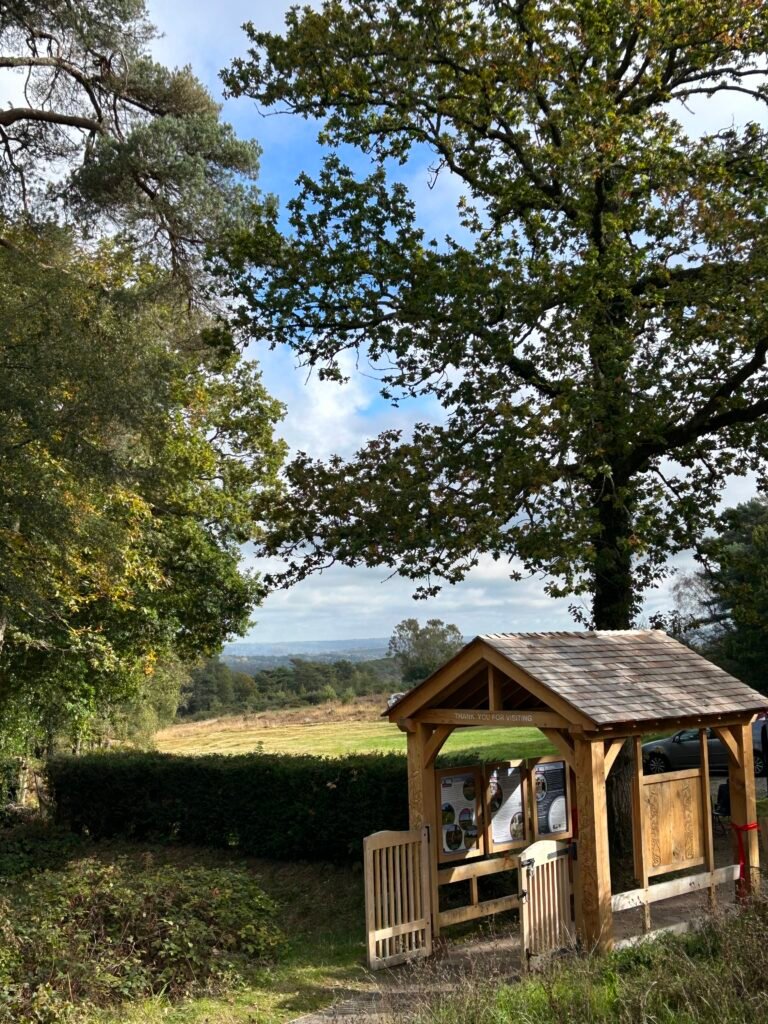
New Gateway Opens at The Ashdown Forest Centre
As a Trustee of the Ashdown Forest Foundation, I was delighted to attend the grand…
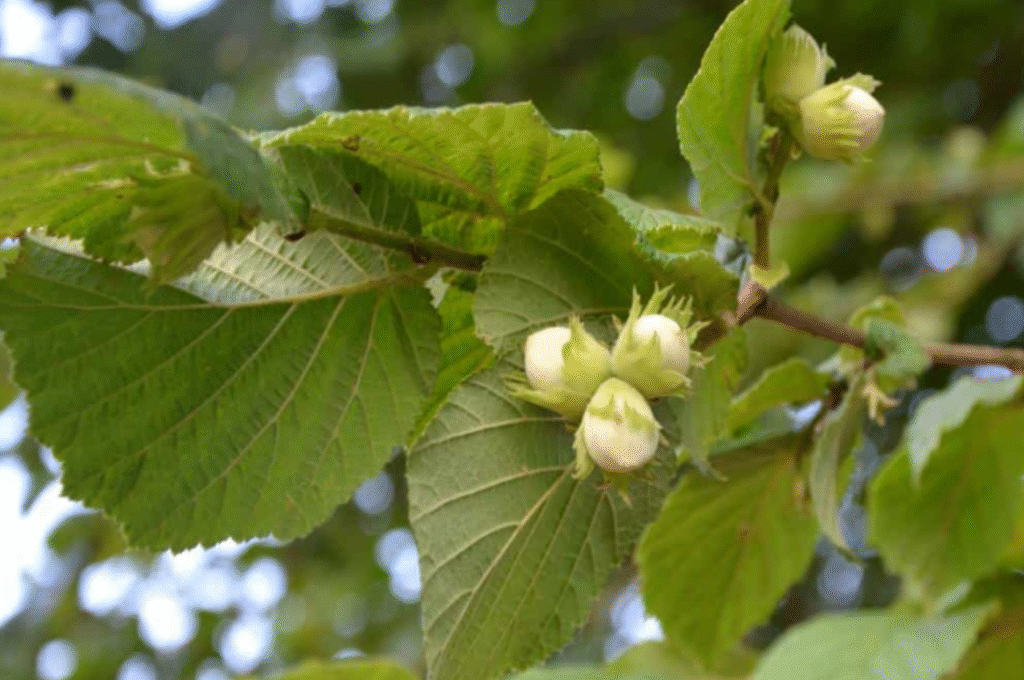
Hazel: Your Nutty Native Woodland Treasure
Scientific Name: Corylus avellana We’ve all seen hazel, whether you noticed it or not. This small…

Blackthorn: The Hedgerow’s Thorny Guardian
Scientific Name: Prunus spinosa Blackthorn is a common sight in the countryside in hedgerows or as…
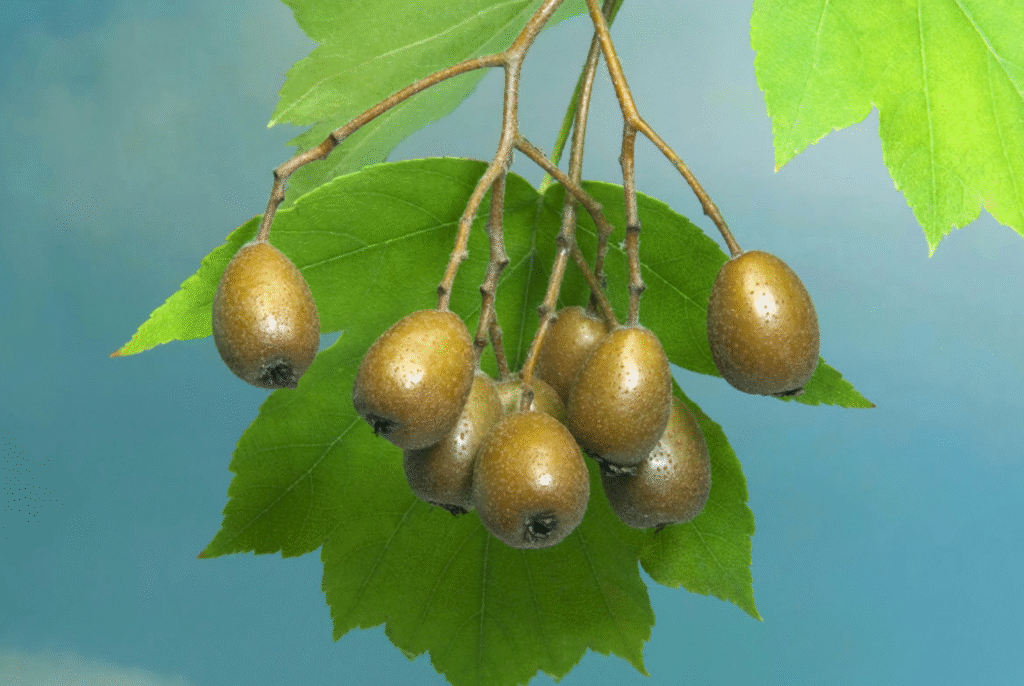
The Wild Service Tree: Discover a Rare Beauty
The chequer berries famous for beer and Prime Minsterial houses… Scientific Name: Sorbus Torminalis Have you…