
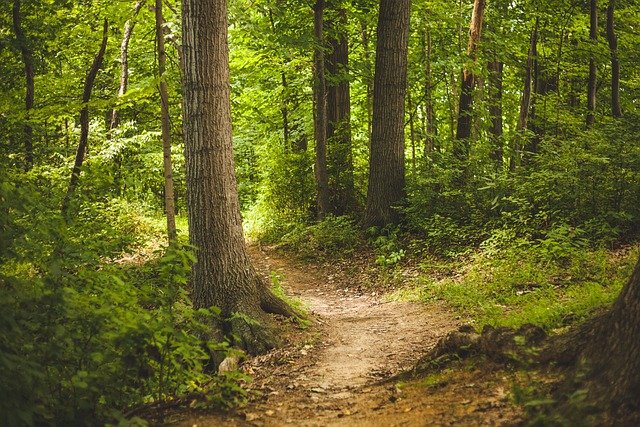
Forest bathing, or Shinrin-yoku, is a Japanese practice of immersing oneself in the forest atmosphere. It was developed in Japan in the 1980s as a form of preventative healthcare and healing.
The term “Shinrin-yoku” translates to “forest bathing” or “taking in the forest atmosphere.” The concept arose from the Japanese government’s concern about increasing stress levels and declining health in its population, particularly in urban areas. The looked for a solution that was simple and accessible and they turned to trees. Their idea was that spending time in forests could reduce stress, improve mood, and boost the immune system. The practice was also all-inclusive as it didn’t need you to be an adventurous hiker, it’s the opposite; it’s about slowing down, connecting with nature, and absorbing the forest’s sights, sounds, smells, and textures.
But Does Forest Bathing Have Real Benefits?
Numerous studies have been set up to explore the benefits of forest bathing, and the results have revealed a range of positive effects on physical and mental health. Here are some key findings:
- Reduced Stress: Forest bathing has been shown to lower levels of cortisol, the body’s primary stress hormone. Studies have indicated significant reductions in cortisol levels after spending time in forests.
- Improved Mood: Spending time in nature can boost mood and reduce symptoms of anxiety and depression. The calming effect of the forest environment can promote relaxation and a sense of well-being.
- Lower Blood Pressure: Research suggests that forest bathing can lower blood pressure and heart rate, contributing to cardiovascular health.

- Enhanced Immune Function: Studies have found that forest bathing can increase the activity of natural killer (NK) cells, which play a crucial role in the immune system’s defense against infections and cancer. This is thought to be in part due to inhaling phytoncides, which are airborne chemicals that plants release. One study published in the journal “Environmental Health and Preventive Medicine” showed that forest bathing increased NK cell activity for more than 30 days.
- Improved Focus and Concentration: Spending time in nature can restore attention and improve cognitive function. This is particularly beneficial for people who spend long hours working or studying indoors.
- Improved Sleep: The calming effect of nature can promote better sleep quality.
While the exact mechanisms behind these benefits are still being investigated, the combination of reduced stress, exposure to phytoncides, and the sensory experience of nature appears to play a significant role. See the footnotes for study sources.
How to Forest Bathe
Forest bathing is a hugely simple practice that can be done alone, or you can join a group with a leader that directs the forest bathing experience. Here are some guidelines and variations:
- Slow Down: The starting point for forest bathing is to slow down and allow yourself to be immersed in the present moment. TOP TIP: Turn off your mobile phone so it doesn’t interrupt or distract you.
- Engage Your Senses: Pay attention to the sights, sounds, smells, tastes, and textures of the forest. Notice the sunlight filtering through the trees, the sound of birdsong, the scent of flowers and tress, the feeling of moss under your feet or the crunch or autumn leaves.
- Breathe Deeply: Inhale the fresh, clean air slowly, then exhale for a slow count. If you’ve ever done yoga or meditation, yogic breathing, filling your whole lung capacity is perfect.
- Explore Mindfully: Wander through the forest at a leisurely pace, allowing your intuition to guide you. There’s no need to follow a specific path or reach a destination.
- Find a Quiet Spot: Find a comfortable place to sit or lie down and simply observe your surroundings and listen. Allow yourself to relax and connect with the natural environment.
Ideas for forest bathing
Guided Forest Bathing: Sometimes it’s nicer to do something with others. Guided forest bathing sessions are led by experienced practitioners and often include mindfulness exercises and sensory awareness activities.
Solo Forest Bathing: Many people find peace and rejuvenation in solo forest bathing, allowing them to connect with nature on a personal level. In the UK, you can find lists of publicly accessible woodlands in The Woodland Trust Woodland Directory.
Forest Bathing with a Group: Forest bathing can also be a social activity, enjoyed with friends or family. However, it’s important to maintain a quiet and respectful atmosphere.
Urban Forest Bathing: Even in urban areas, you can find green spaces like parks and gardens where you can practice forest bathing.
Night Forest Bathing: Experiencing the forest at night can be a unique and transformative experience, engaging different senses and offering a different perspective.
Study sources:
1. Reduced Stress (Lower Cortisol Levels):
- Source: Park, B. J., Tsunetsugu, Y., Kasetani, T., Kagawa, T., & Miyazaki, Y. (2010). The physiological effects of Shinrin-yoku (taking in the forest atmosphere or forest bathing): evidence from field experiments in 24 forests across Japan. Environmental Health and Preventive Medicine, 15(1), 18–26.
- Statistic: This study found that forest bathing significantly reduced cortisol levels compared to urban walking. Participants experienced an average 12.4% decrease in cortisol levels after forest walks.
- Source: Horiuchi, R., Endo, J., & Takayama, N. (2014). The effects of forest walking on autonomic nervous activity and psychological states in middle-aged and elderly males. Journal of Physiological Anthropology, 33(1), 1–7.
- Statistic: This study also showed a significant reduction in cortisol levels after forest walking, reinforcing the stress-reducing effects.
2. Improved Mood (Reduced Anxiety and Depression):
- Source: Song, C., Ikei, H., & Miyazaki, Y. (2018). Physiological effects of nature therapy: A review of the research in Japan. International Journal of Environmental Research and Public Health, 15(8), 1803.
- Statistic: This review of Japanese research highlights multiple studies showing that forest bathing reduces symptoms of depression and anxiety. It also notes improvements in mood states, such as a reduction in hostility and an increase in vigour.
- Source: Hansen, M. M., Jones, R., & Tocchini, K. (2017). Shinrin-Yoku (Forest Bathing) and nature therapy: A state-of-the-art review. International Journal of Environmental Research and Public Health, 14(8), 851.
- This review talks about the reduction of negative emotions, and the increase of positive emotions.
3. Lower Blood Pressure and Heart Rate (Cardiovascular Health):
- Source: Park, B. J., Tsunetsugu, Y., Kasetani, T., Kagawa, T., & Miyazaki, Y. (2009). The physiological effects of Shinrin-yoku (taking in the forest atmosphere or forest bathing): evidence from field experiments in 24 forests across Japan. Journal of Physiological Anthropology, 28(1), 1–9.
- Statistic: This study demonstrated significant reductions in both systolic and diastolic blood pressure, as well as a reduction in heart rate, after forest bathing.
- Source: Lee, J., Park, B. J., Tsunetsugu, Y., Ohira, T., Kagawa, T., & Miyazaki, Y. (2011). Effect of forest bathing (Shinrin-yoku) on human health: a pilot study. Journal of physiological anthropology, 30(6), 259–262.
- This study reinforced the decrease of both blood pressure and heart rate.
4. Enhanced Immune Function (Increased NK Cell Activity):
- Source: Li, Q., Morimoto, K., Kobayashi, M., Inagaki, H., Katsumata, M., Hirata, Y., … & Kawada, T. (2008). A forest bathing trip increases human natural killer activity and expression of anti-cancer proteins. Journal of Biological Regulators and Homeostatic Agents, 22(1), 55–63.
- Statistic: This study showed a significant increase in NK cell activity after a forest bathing trip, with effects lasting for more than 30 days.
- Source: Li, Q. (2010). Effect of forest bathing trips on human immune function. Environmental health and preventive medicine, 15(1), 9–17.
- This study showed an increase of NK cell activity, and also an increase in intracellular anti-cancer proteins.
5. Improved Focus and Concentration (Cognitive Function):
- Source: Kaplan, S. (1995). The restorative benefits of nature: Toward an integrative framework. Journal of environmental psychology, 15(3), 169-182.
- This study explains the Attention Restoration Theory (ART), which explains how nature helps to restore directed attention fatigue.
- Source: Berto, R. (2005). Exposure to restorative environments helps restore attentional capacity. Journal of environmental psychology, 25(3), 249-259.
- This study showed that exposure to natural environments improved attention capacity.
6. Improved Sleep:
Source: Mao, G. X., Cao, Y. J., Lan, X. G., He, Z. H., Chen, Z. M., Wang, Y. Z., … & Hu, Y. Q. (2012). Effects of short-term forest bathing on human health in elderly adults. SpringerPlus, 1(1), 1–9.
This study demonstrated that short-term forest bathing improved sleep quality in elderly adults.
While dedicated studies focused solely on sleep improvement from forest bathing are less abundant than those on stress or immunity, the overall calming effects of nature are widely recognized to promote better sleep. Many studies that look at stress reduction, also note improved sleep.
It’s important to note that while these studies provide strong evidence for the benefits of forest bathing, further research is ongoing to fully understand the mechanisms involved.
Rhododendron: The Woodland Strangler that Needs to Go
Rhododendron Ponticum: The Woodland Strangler that Needs to Go There are many things to thank…
Himalayan Balsam in Woodland: What It Is & Why You Need to Remove It
Himalayan Balsam in Woodland: What It Is & Why You Need to Remove It If…

The Understorey Bulletin: October 2025
Your Understorey Bulletin: October 2025 Hello there! Here’s your nature news. Pull up a chair…
Why Every Woodland Owner Should Have a Management Plan
You’ve just become the proud owner of a patch of woodland, or perhaps you’ve had…
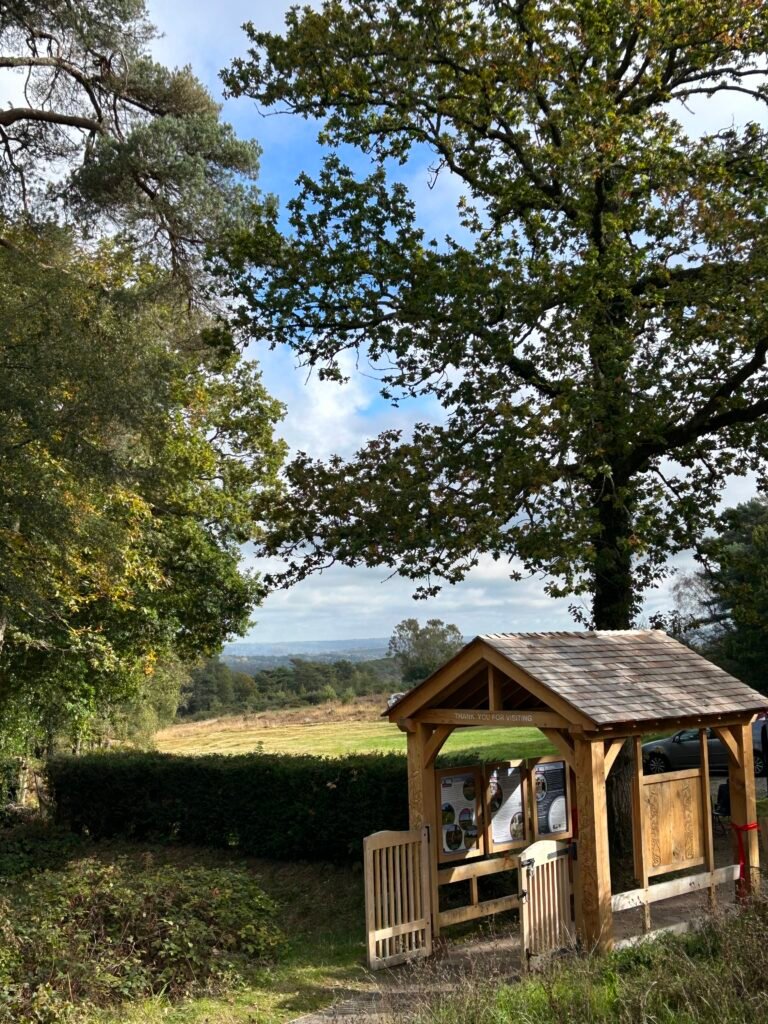
New Gateway Opens at The Ashdown Forest Centre
As a Trustee of the Ashdown Forest Foundation, I was delighted to attend the grand…
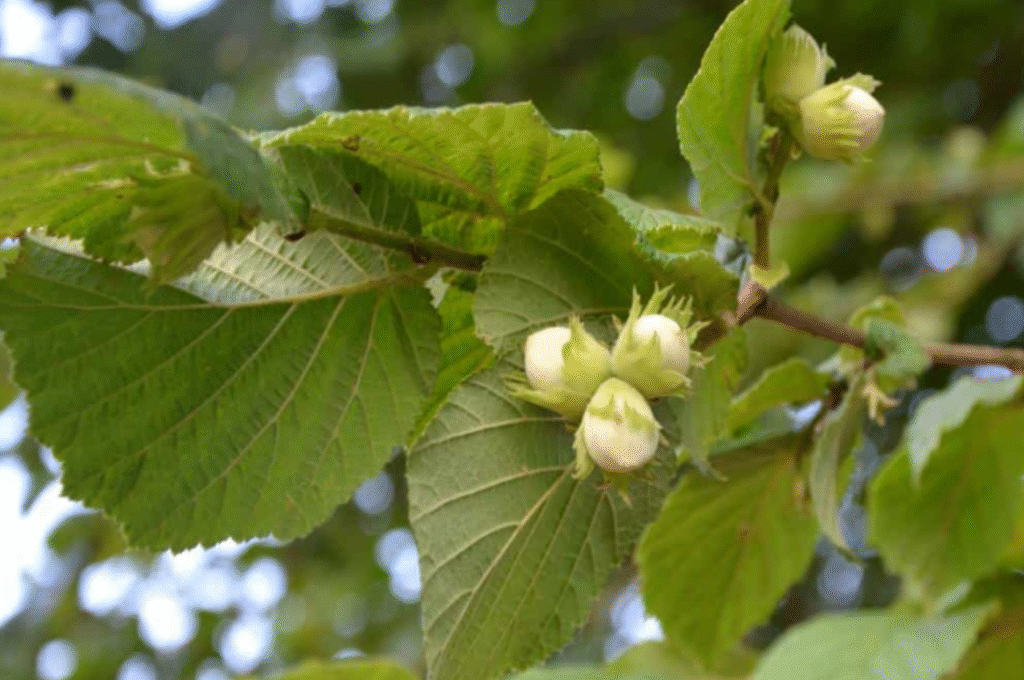
Hazel: Your Nutty Native Woodland Treasure
Scientific Name: Corylus avellana We’ve all seen hazel, whether you noticed it or not. This small…