
What is a Woodland Condition Assessment? A Guide for Owners
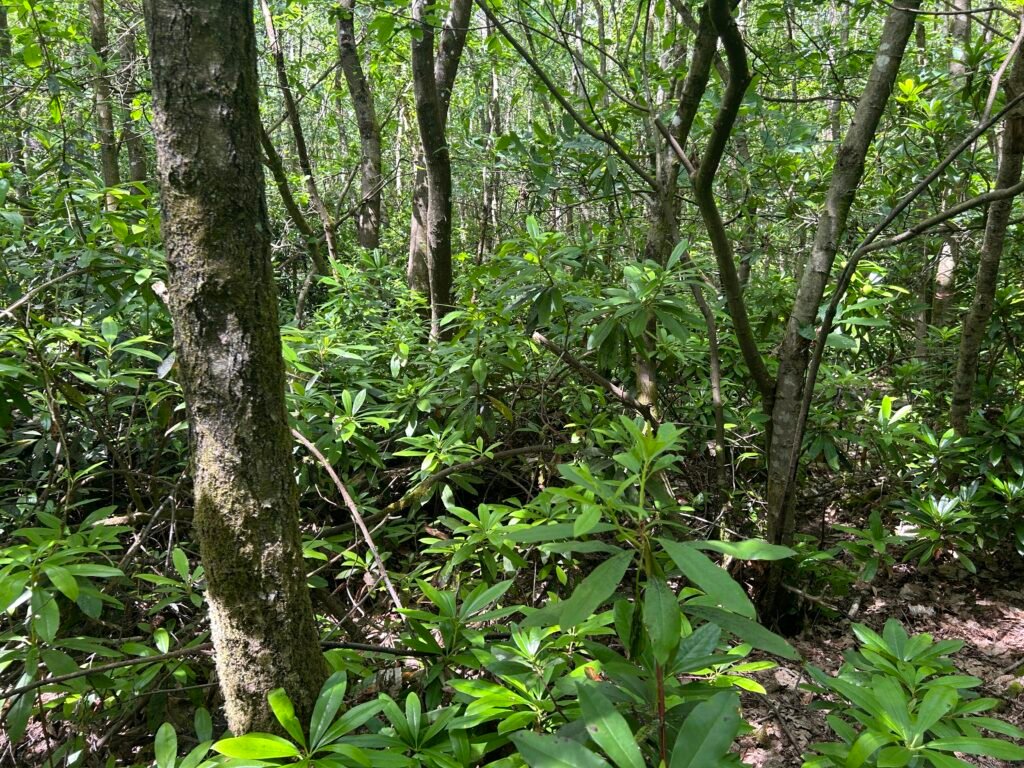
A Woodland Condition Assessment (WCA) is a standard survey that scores 15 features of your woodland, such as deadwood, regeneration and tree health, to rate its ecological condition as good, moderate or poor. It gives you a biodiversity baseline that you can use to guide your management and, in England, can be funded through the FY7 capital grant.
You love your woodland. You bought it to care for it and you walk it every week. You know where the bluebells come up and which oak lost a limb last winter. It seems OK, but could it be improved further to support biodiversity and how do you even know if your hard work is making a difference?
And there’s a bigger reason; The Woodland Trust’s 2021 State of the UK’s Woods and Trees report found only about 7% of Britain’s native woodland was in good ecological condition. Their 2025 report adds that woods are losing the variety wildlife needs: around eight in ten native woodlands scored poorly for deadwood.
This is where a Woodland Condition Assessment comes in. It turns what you see on your walks into a scored, repeatable record that you can use to track the health of your woodland and how biodiversity increases (or decreases) over time.
This guide explains what a WCA is, why benchmarking biodiversity matters, what the survey involves, and how the grant works.
What is a Woodland Condition Assessment?
A WCA is a standardised ecological survey that measures the condition of a woodland using 15 indicators. Each indicator is scored, and the total puts your wood into one of three bands: good, moderate or poor.
You can choose to do the assessment to track the biodiversity in your woodland, whether or not you are participating in a Countryside Stewardship Higher Tier (CSHT) agreement. If you are, the Woodland Condition Assessment is a requirement for the Woodland Improvement Grant (WD2) where you’re required to do the survey in years 1 and 9 of the agreement. As such, there is a grant available to undertake the surveys.
The survey structure has been designed by the Sylva Foundation around the system that the National Forest Inventory uses to assess woodland across Britain.
Why does benchmarking biodiversity matter?
You can’t show improvement without knowing where you started. A WCA gives you that starting point, which allows you to measure change over the years.
A benchmark helps you to:
- Spot problems early, such as deer damage, disease or invasive species.
- Decide which management actions will do the most good.
- Track whether your work is paying off.
- Provide evidence for grants, a woodland management plan or Biodiversity Net Gain.
What does a Woodland Condition Assessment involve?
A surveyor walks the wood and records the 15 indicators in a set of sample plots. Each plot is a circle with a 10 metre radius.
How many plots?
- At least 5 plots for woods under 30 hectares of similar type and age
- At least 10 plots for woods over 30 hectares, or with a mix of woodland types
- Separate surveys for different types, such as ancient semi-natural woodland and conifer plantation.
The 15 monitoring indicators
The Sylva WCA form lists them as:
1. Age distribution of trees
2. Herbivore damage (wild, domestic and feral)
3. Invasive non-native plants
4. Number of native tree species
5. Cover of native trees and shrubs
6. Open space within the woodland
7. Proportion of favourable surrounding land cover
8. Woodland regeneration
9. Tree health
10. Ground flora and vegetation
11. Vertical structure
12. Veteran trees
13. Deadwood
14. Woodland size
15. Woodland disturbance
Scoring
Each indicator scores 1, 2 or 3. A total of 36 or more means good condition, 26 to 35 is moderate, and 25 or less is poor.
When to survey
Two visits in the same year are recommended: one in winter or early spring before the ground flora hides the view, and one in summer when trees are in leaf. If you only do one, make it spring or summer.
Is there a grant for a Woodland Condition Assessment?
Not everyone has the time, or skills to do the assessment themselves, so they get help to do the assessment (this is something we also do at MicroWild). With that in mind, you can get a grant to help pay for the work: FY7: Assessing woodland condition. This item is part of the Higher Tier Capital Grants, run by the Rural Payments Agency (RPA) and Natural England. You need to have a Forestry Commission-approved Woodland Management Plan in order to claim this grant.
- The grant pays £13.63 per hectare for the first 30 hectares, with a minimum payment of £300, then £4.09 per hectare above 30 hectares.
- It can be used to fund a baseline WCA for a new woodland management plan, a check for pests and diseases before a Woodland Tree Health grant, or the year 1 and year 9 assessments in a CSHT woodland improvement agreement.
- Woods under 0.5 hectares, wood pasture, orchards, parkland and agroforestry aren’t eligible.
- You submit your completed assessments, maps and scores with your claim.
Defra says these woodland items can be applied for year-round from 10 July 2026. Please note that rates and rules can change annually so always check before applying or get your agent or woodland consultant to do this for you. The FY7 is not available in Scotland, Wales or Northern Ireland.
Can I do a Woodland Condition Assessment myself?
Yes, and you’ll need a knowledge of native trees , plants, fauna and woodland management to score it accurately. Many owners prefer to bring in a surveyor, especially for a grant claim, a larger wood or one with ancient woodland. Getting the plots and scoring right first time matters, because you’ll be monitoring and assessing the data of those plots years later.
MicroWild carries out ecological surveys, including Woodland Condition Assessments, to help you track biodiversity across your habitats – ask Alison for more details.
Practical takeaways
- Repeat after major changes, or at least every 10 years.
- A WCA scores 15 features of your wood and rates it good, moderate or poor.
- Do a baseline now, so you can track improvement over time.
- In England, the FY7 grant can cover the cost for woods of 0.5 hectares or more.
- Survey in spring and summer for the most accurate picture.
- Keep your plot locations: you’ll need them for repeat surveys.

FAQs
Sources
GOV.UK: FY7: Assessing woodland condition
GOV.UK: Assessing woodland condition for a CS Higher Tier agreement (Operations Note 69)
Defra Farming blog: Higher Tier Capital Grants: agroforestry and woodland update
Forestry Commission blog: Make your next Woodland Condition Assessment easier
Sylva Foundation: Woodland Condition Assessment app
Sylva Foundation: WCA5 survey form
Sylva Foundation: Assessing woodland ecological condition
NBN Trust: New Woodland Condition Assessment app
Field Studies Council: Woodland Condition Assessments
Woodland Trust: Wildlife declining in UK woods despite more tree cover
Tree Planting Season: Choosing Trees, Tree Care & Grants
Tree Planting Season: Choosing Trees, Tree Care & Grants Leaves are falling and November marks…
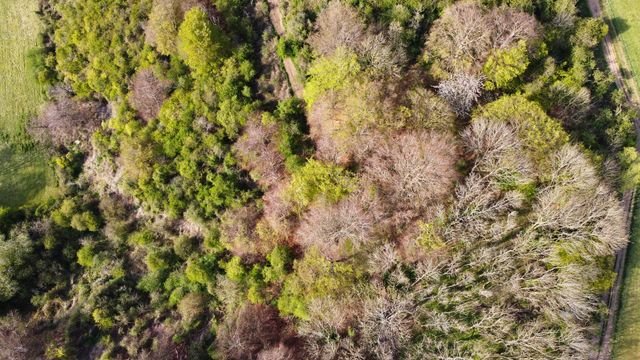
What is a Woodland Condition Assessment? A Guide for Owners
What is a Woodland Condition Assessment? A Guide for Owners A Woodland Condition Assessment (WCA)…
Rhododendron: The Woodland Strangler that Needs to Go
Rhododendron Ponticum: The Woodland Strangler that Needs to Go There are many things to thank…
Himalayan Balsam in Woodland: What It Is & Why You Need to Remove It
Himalayan Balsam in Woodland: What It Is & Why You Need to Remove It If…

The Understorey Bulletin: October 2025
Your Understorey Bulletin: October 2025 Hello there! Here’s your nature news. Pull up a chair…
Why Every Woodland Owner Should Have a Management Plan
You’ve just become the proud owner of a patch of woodland, or perhaps you’ve had…